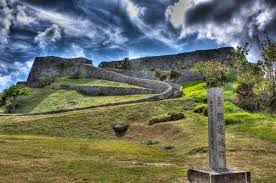
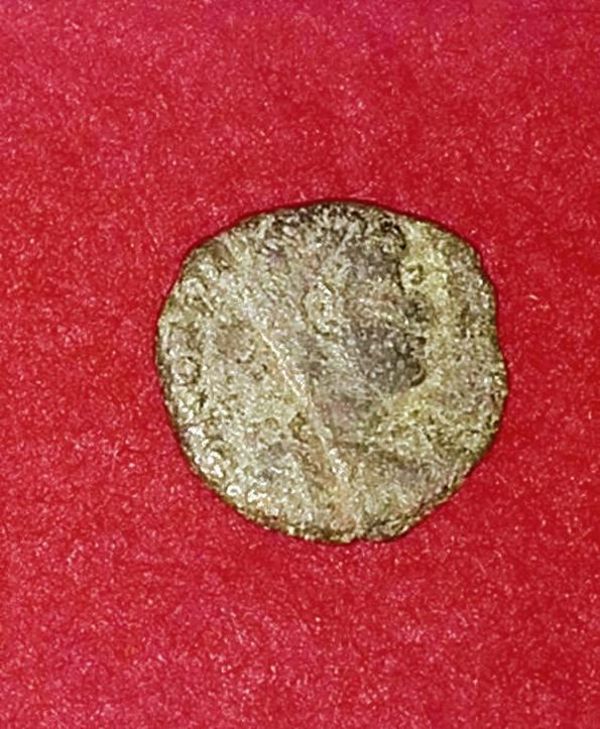
On the eastern side of Okinawa Island in Japan the remains of Katsuren 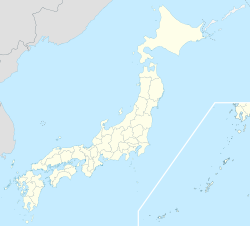 Castle stand on a bluff overlooking the Pacific Ocean on both sides of the promontory. The castle experienced its golden age in the 15th century CE when it served as a hub of trade and cultural exchange between Japan, Korea, China, and the broader world. Just how broad was its reach? In a wonderful counterpoint to the recent discovery of Chinese skeletons in a 2nd century CE Roman cemetery in London, recent archaeological excavations at Katsuren unearthed a handful of 2nd century bronze Roman coins in recent weeks depicting the Roman Emperor Constantine the Great
  on the castle grounds. It is the first time that Roman coins have been discovered in Japan. While researchers cannot know for certain how the 2nd century coins came to the 15th century castle (at a time when the vestigial Roman Empire was confined to the City of Constantinople itself which would ultimately disappear in May of 1453), but they speculate that the lords of Katsuren obtained the Roman coins in trade with China.
 Castle stand on a bluff overlooking the Pacific Ocean on both sides of the promontory. The castle experienced its golden age in the 15th century CE when it served as a hub of trade and cultural exchange between Japan, Korea, China, and the broader world. Just how broad was its reach? In a wonderful counterpoint to the recent discovery of Chinese skeletons in a 2nd century CE Roman cemetery in London, recent archaeological excavations at Katsuren unearthed a handful of 2nd century bronze Roman coins in recent weeks depicting the Roman Emperor Constantine the Great
  on the castle grounds. It is the first time that Roman coins have been discovered in Japan. While researchers cannot know for certain how the 2nd century coins came to the 15th century castle (at a time when the vestigial Roman Empire was confined to the City of Constantinople itself which would ultimately disappear in May of 1453), but they speculate that the lords of Katsuren obtained the Roman coins in trade with China.
And as we learned in my prior post, ancient China was more familiar with their Roman counterparts than many might have believed.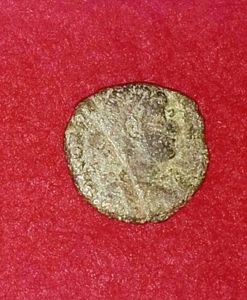
For more on the find of Constantine-era coins in Japan please see here:
And for more on the UNESCO protected world heritage site of Katsuren Castle see here:
 ROME ON THE CUSP